
Iran Crisis: Allegations of Mass Killings and Foreign Actors, A Stark Warning for Indonesia?
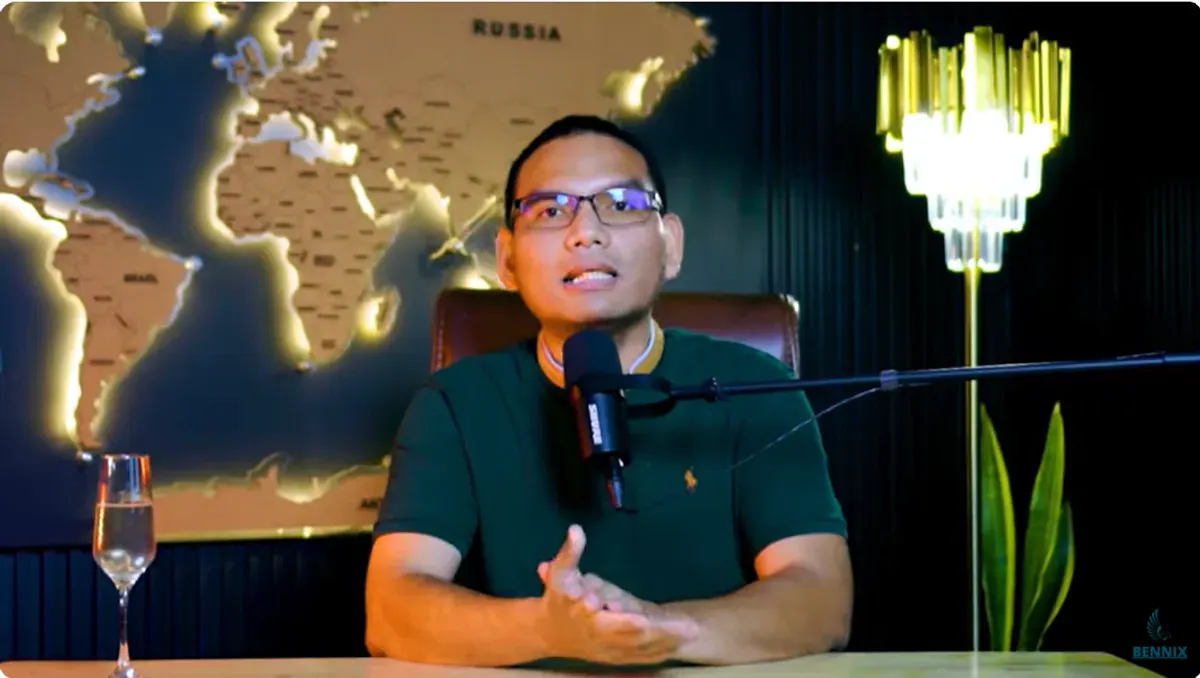
DJabar.com – A viral video uploaded on YouTube in January 2026 has drawn attention to escalating turmoil in Iran, alleging mass killings of protesters by Iran’s own military amid accusations of foreign intervention by the United States and Israel. The video also raises concerns about the possibility of a similar destabilization scenario threatening Indonesia’s economic and political stability.
The video’s presenter, Bennix, claims that more than 12,000 people have been killed, with a projected death toll of up to 20,000, most of them demonstrators allegedly shot by Iran’s Islamic Revolutionary Guard Corps (IRGC) and the Basij militia. According to the video, the violence took place under a nationwide internet blackout and the confiscation of satellite dishes across Iran—measures allegedly intended to block access to external information and facilitate organized killings.
Sources cited by Iran International, an English-language opposition media outlet, reportedly confirmed so-called “door-to-door” operations to seize satellite dishes and CCTV recordings. The report further claims that the killings were fully coordinated under direct orders from Iran’s Supreme Leader, Ayatollah Ali Khamenei, with the knowledge and approval of the leadership of Iran’s three branches of government. These claims, however, have not been independently verified.
Bennix argues that mass demonstrations of this scale do not emerge spontaneously, but require backing from “masterminds” operating behind the scenes. He alleges that foreign intelligence agencies, including those from the United States—through USAID funding of opposition media such as Iran International—and Israel’s Mossad, have deployed hundreds of agents to destabilize Iran. The alleged strategy involves engineering economic and monetary crises to weaken the regime and provoke widespread social unrest.
Former U.S. President Donald Trump is also cited in the video as having openly called for regime change in Iran. Through posts on the social media platform X (formerly Twitter), Trump reportedly urged “Iranian patriots” to continue protests and seize state institutions, while promising to provide “assistance.” According to the video, this marked a shift from covert operations to overt intervention.
The video further claims that the ultimate target of Iran’s destabilization is not Iran itself, but China. It argues that China is heavily dependent on Iranian heavy crude oil, purchasing more than 80 percent of Iran’s oil exports, which account for roughly 20 percent of Iran’s GDP. Disrupting Iran, the video suggests, would jeopardize China’s energy supply and trigger panic in Beijing. China’s embassy in Washington is cited as having expressed anger over Trump’s actions, warning that trade wars and tariffs would ultimately harm all parties.
Potential implications for Indonesia are also highlighted. The video draws parallels between the alleged destabilization methods used in Iran—such as economic manipulation and social agitation—and Indonesia’s 1998 crisis, when the rupiah collapsed from Rp2,341 to Rp16,950 per U.S. dollar. Bennix warns that Indonesia’s reliance on natural resources is often overstated, contributing only around 5–6 percent of GDP.
According to the video, a projected 20 percent increase in global oil prices in 2026, driven by the Iran crisis, could significantly inflate Indonesia’s fuel subsidy burden—from an estimated Rp689 trillion to Rp730 trillion—placing additional strain on state finances.
The video concludes with a strong warning for Indonesia to learn from Iran’s experience to avoid becoming another victim of great-power geopolitical strategies. It urges the Indonesian government to take strategic steps, particularly toward achieving energy self-sufficiency, and to remain vigilant against foreign agents who may seek to provoke division and crisis through various channels, including media platforms and local organizations.
Hot Hot Property Recommendations

Interested in property ads? Contact Admin djabar.com
📰 Read Other Latest News