
Hormuz Strait Crisis: Oil Prices Surge to $81, Who are the Winners and Losers in Asia?
BUSINESS & ECONOMY, Djabar.com — Global energy markets are on high alert following Iran’s announcement to close the strategic Strait of Hormuz on March 2, 2026. While the U.S. Central Command (CENTCOM) initially downplayed the total closure, the market panic has already sent shockwaves through the global economy.
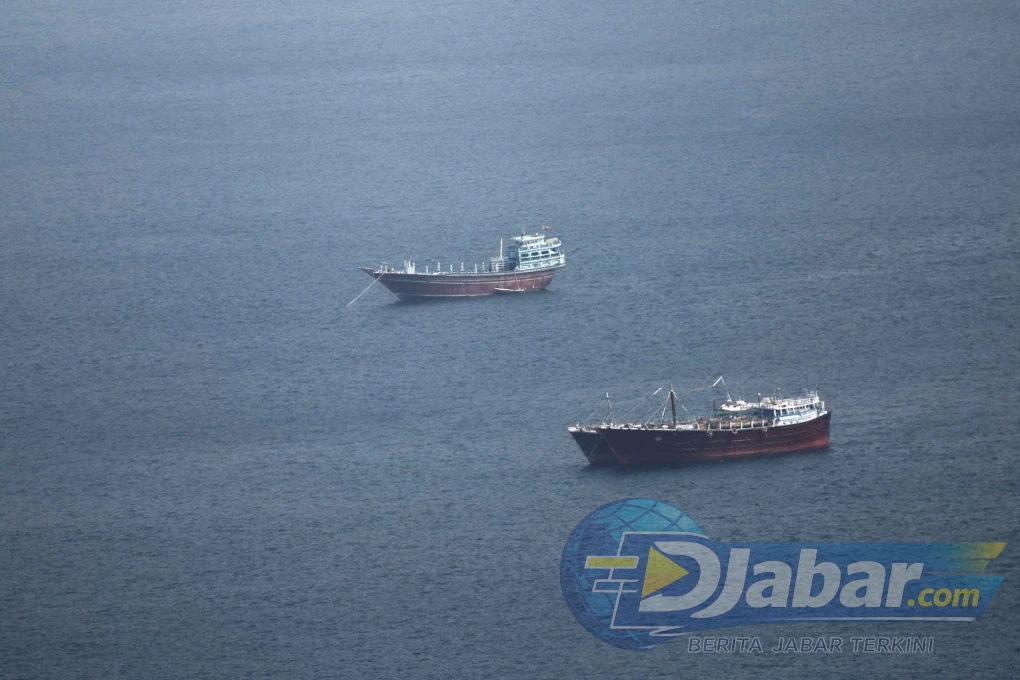
Why does this matter? The Strait of Hormuz is the world’s most important energy chokepoint. Approximately one-third of the world’s seaborne oil exports pass through this narrow passage daily. Any prolonged disruption acts as a direct threat to global energy security.
1. Oil Prices Skyrocket
In just the last six days, Brent crude prices have surged by 15%, currently trading at $81 per barrel. Market analysts warn that if tensions escalate further, prices could easily breach the $100 mark, a level not seen since early 2025.
2. LNG Supply at Risk
The crisis isn’t limited to oil. Global Liquefied Natural Gas (LNG) supplies are also under threat. Energy giant QatarEnergy reportedly halted production following drone attacks on its facilities. This puts nearly 20% of the world’s LNG supply—which typically transits through the strait—at immediate risk.
3. Regional Impact: The Winners and Losers
According to a report by Nomura, the impact across Asia will be uneven:
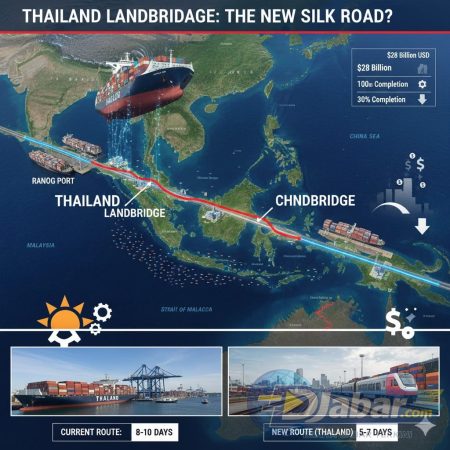
- The Most Vulnerable: Thailand, India, South Korea, and the Philippines. These nations are heavily dependent on energy imports. Thailand, in particular, is highly exposed, with net oil imports accounting for 4.7% of its GDP.
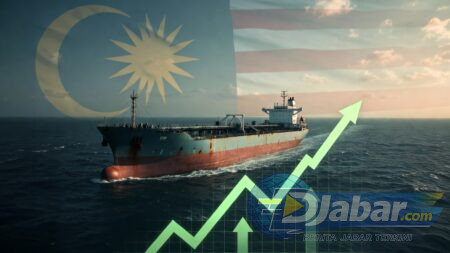
- The Beneficiaries: Malaysia. As a net energy exporter, Malaysia stands to gain significant fiscal advantages from the surging global energy prices, potentially offsetting regional inflationary pressures.
4. Outlook for Southeast Asia
For major regional economies like Indonesia, the situation is a double-edged sword. As a net oil importer, the archipelago faces a mounting subsidy burden. Rising global prices will likely lead to:
- Domestic Inflation: Increased logistics and transportation costs across major hubs like West Java and Jakarta.
- Energy Policy Shifts: A potential acceleration toward renewable energy or stricter fuel quotas to manage national budgets.
Hot Hot Property Recommendations

Interested in property ads? Contact Admin djabar.com
📰 Read Other Latest News